 Our Foundation creates the supportive environment young adults need to: Feel seen, valued, and understood Build coping skills and emotional resilience Strengthen executive functioning and self-regulation Develop a future they can truly believe in We are not just mentoring people. We are helping rebuild brains, self-worth, and lives
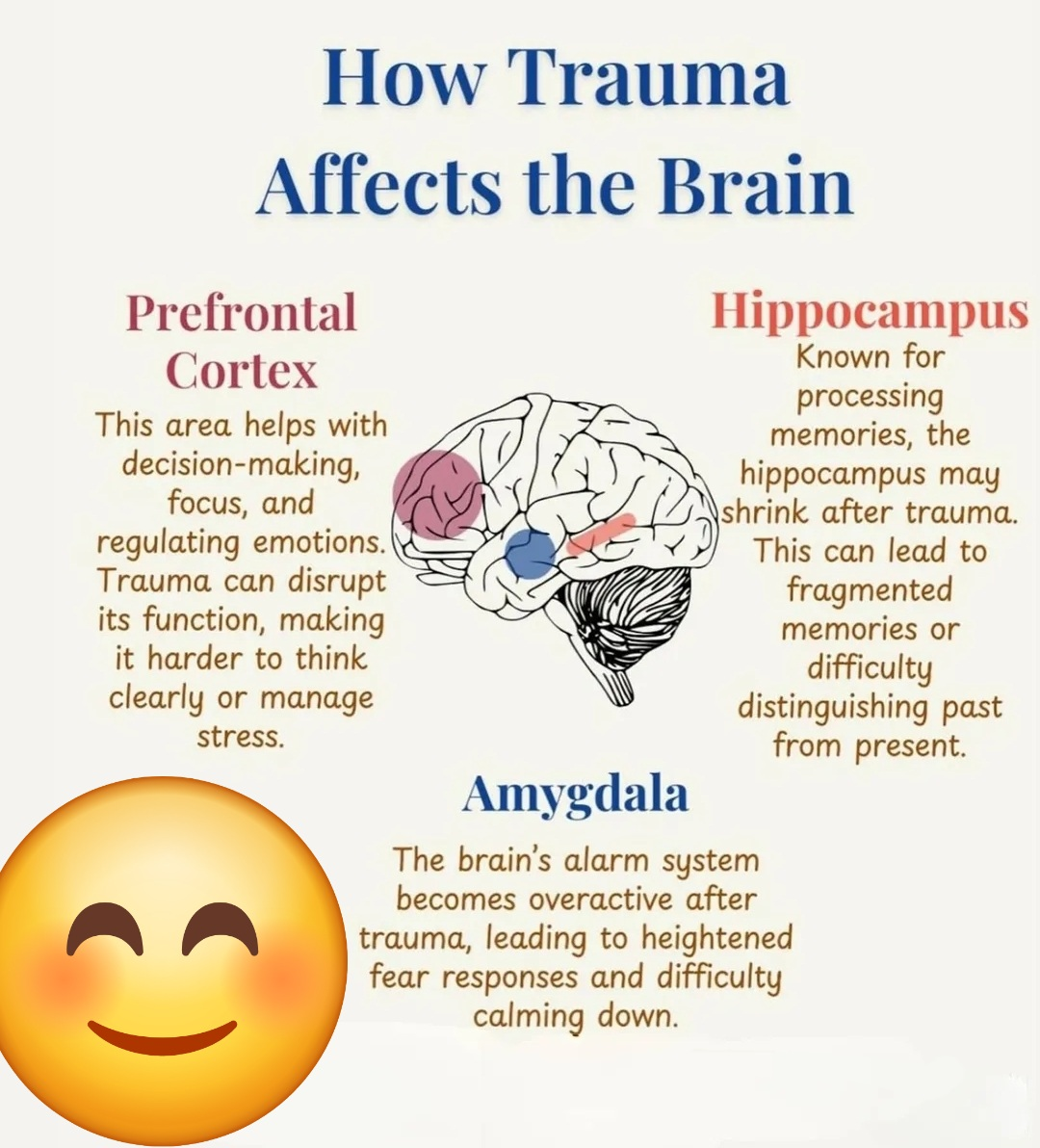
The frontal lobe is the part of the brain responsible for decision-making, emotional regulation, planning, and impulse control. It continues developing until about age 25, which means young adults are still building these skills—especially those who have experienced trauma. How Trauma Affects the Frontal Lobe Emotional and chronic stress can physically change the brain. Trauma can:
- Reduce gray matter in the prefrontal cortex (the center of reasoning and judgment)
- Disrupt emotional regulation and impulse control
- Increase fear responses and anxiety
- Make decision-making, planning, and problem-solving more difficult
People may show signs like:
- Impulsivity or “acting without thinking”
- Mood swings or emotional overwhelm
- Difficulty focusing
- Trouble with social interactions or communication
- Lack of motivation or direction
These are not character flaws. They are neurological responses to trauma.
The Good News: The Brain Can Heal.
The frontal lobe is highly adaptable, especially during young adulthood. With the right support, healing and rebuilding are absolutely possible. Research shows that stable, supportive relationships are one of the most powerful ways to repair trauma-related brain changes. This is where mentorship becomes transformative.
What Mentorship Provides:
- Safety and consistency (which calms the nervous system)
- Guidance in problem-solving and planning
- Modeling healthy emotional responses
- Encouragement, accountability, and hope
Over time, these experiences help rebuild neural pathways that support:
- Emotional balance
- Confidence
- Clear thinking
- Healthy decision-making
- Social connection